Origins


Los Angeles
5 November 2022
When we started Stray Theory, it wasn't because we wanted to launch another consultancy.
It was because we saw too much theatre.
For years, I worked inside government, public sector, and large enterprises. I saw capable teams and serious budgets - yet progress often moved slowly. Digital programmes stretched for years. Layers of approval diluted clarity. Innovation became presentation-heavy and outcome-light.
Industry reports frequently cite failure rates exceeding 80% for public-sector digital initiatives. Not because people lack talent - but because complexity overwhelms intent.
Then AI accelerated everything.
Automation is often positioned as the answer before the problem is clearly framed. Organizations are encouraged to move fast - but not always to think clearly.
We didn't want to build a consultancy that amplified that noise. We wanted to build something leaner. More honest. More useful.
Stray Theory is built on a simple belief: great ideas rarely emerge on paved roads. They appear when you step slightly off the obvious path - when you question assumptions and allow curiosity to guide better thinking.
That's what "stray" means to us - intentional deviation in pursuit of meaningful impact.
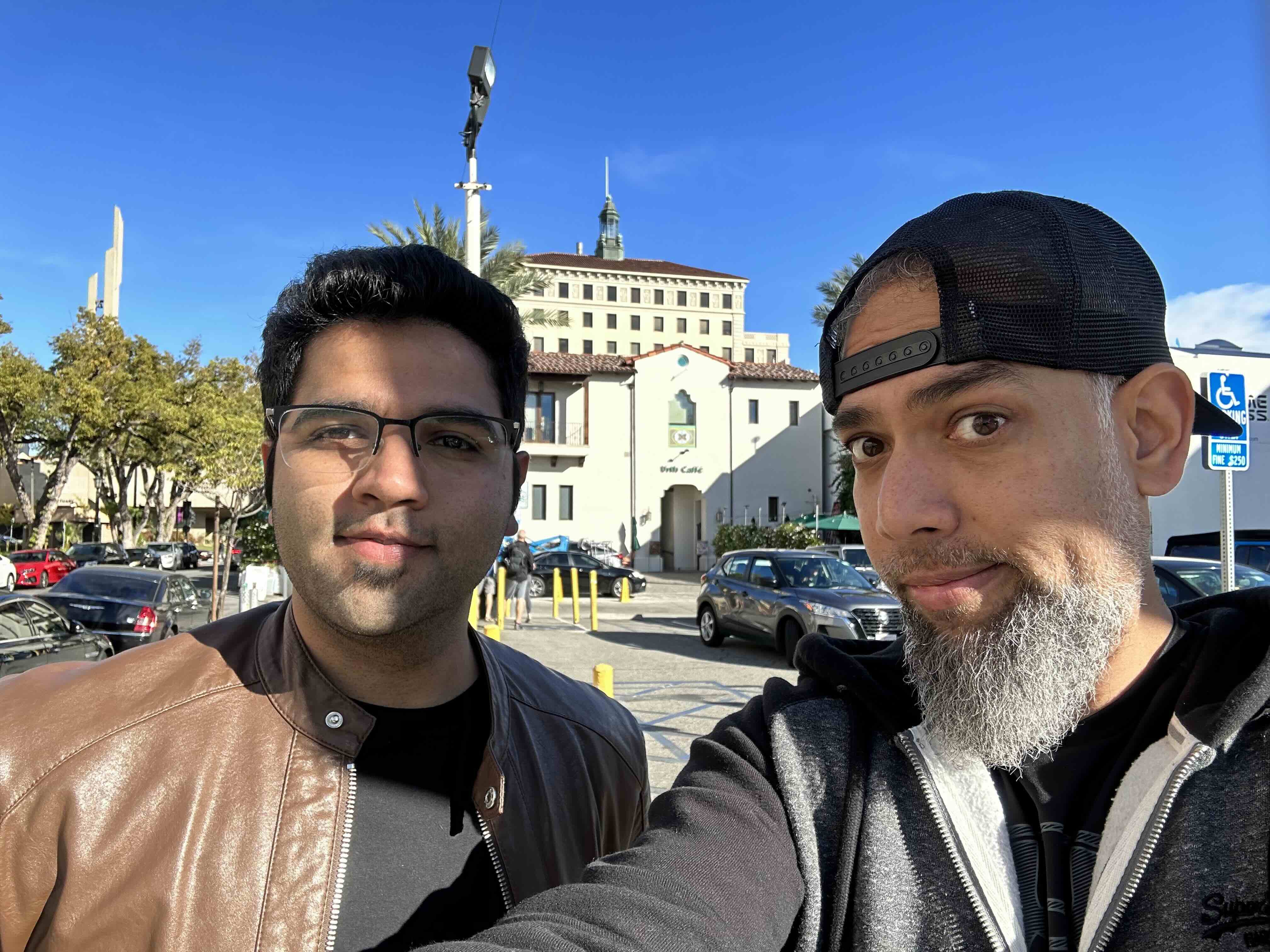
I first met Fahad while leading delivery of a large retail execution platform for a multi-billion-euro organization headquartered in France. I hired him as an iOS engineer. In a team of more than ten developers, he stood out - not only for technical depth, but for humility and discipline.
What began as a professional collaboration became a genuine partnership. Where I focus on framing problems and designing services, Fahad ensures solutions are engineered properly - scalable, resilient, and built to last.
The move to the United States reflects the same intention. After years inside UK systems, I was ready for a landscape more open to experimentation, faster decisions, and practical innovation. The AI moment we're in presents enormous opportunity - but only for organizations willing to apply it with intention.
Stray Theory exists for those willing to question defaults, reduce noise, and pursue impact that can be felt and measured.
If that resonates, I'd be welcome the conversation.
—
Z. Ali
Co-Founder, Stray Theory